It was fine yesterday. Today the thermostat says 84 and climbing. That is the most common call we take in Wedgwood from May through September, and nine times out of ten it comes down to a short list of parts.
What Gets Tested First
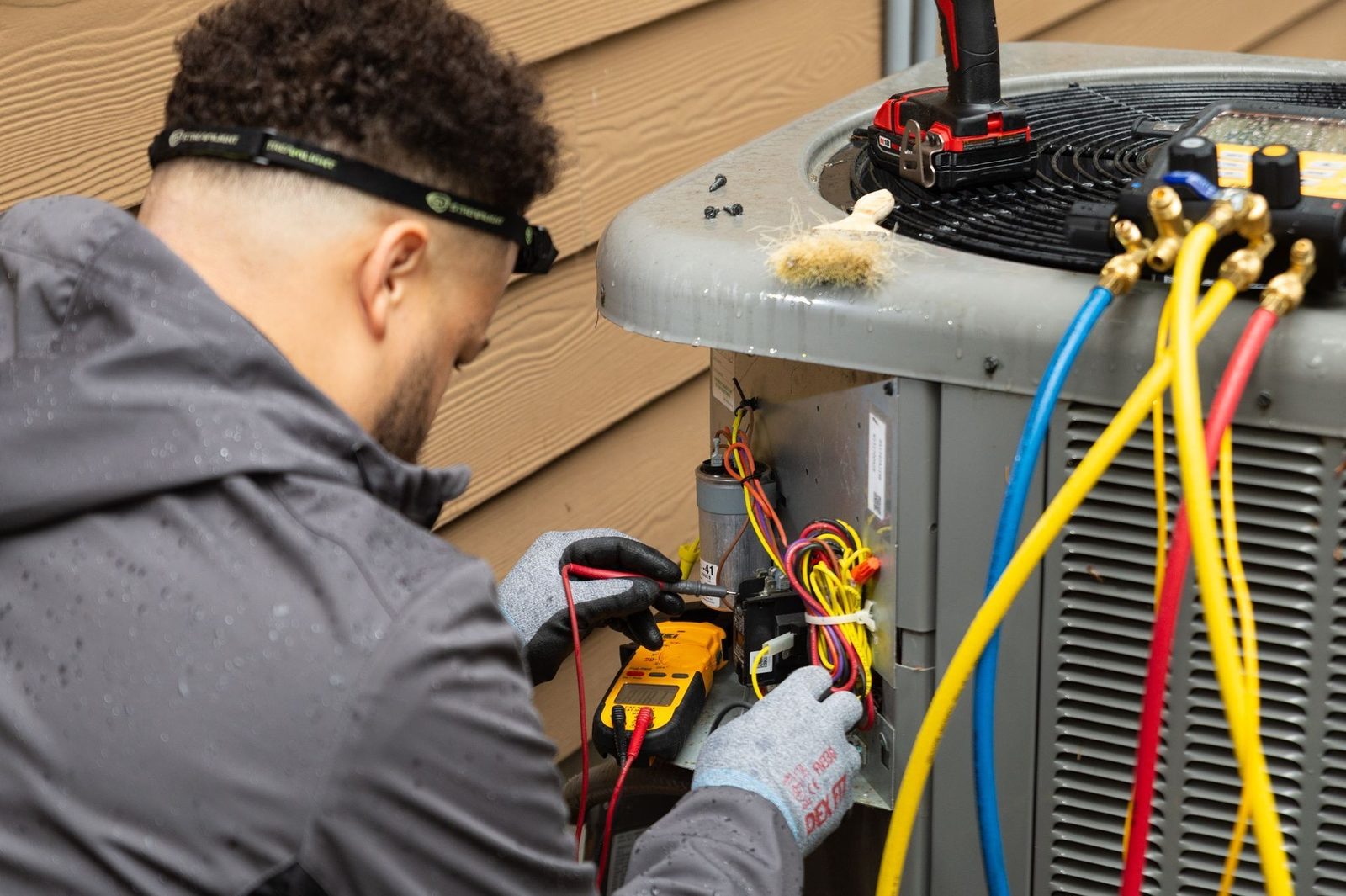
Warm air is a symptom, not a diagnosis. The technician works through the system in order instead of swapping parts until something changes.
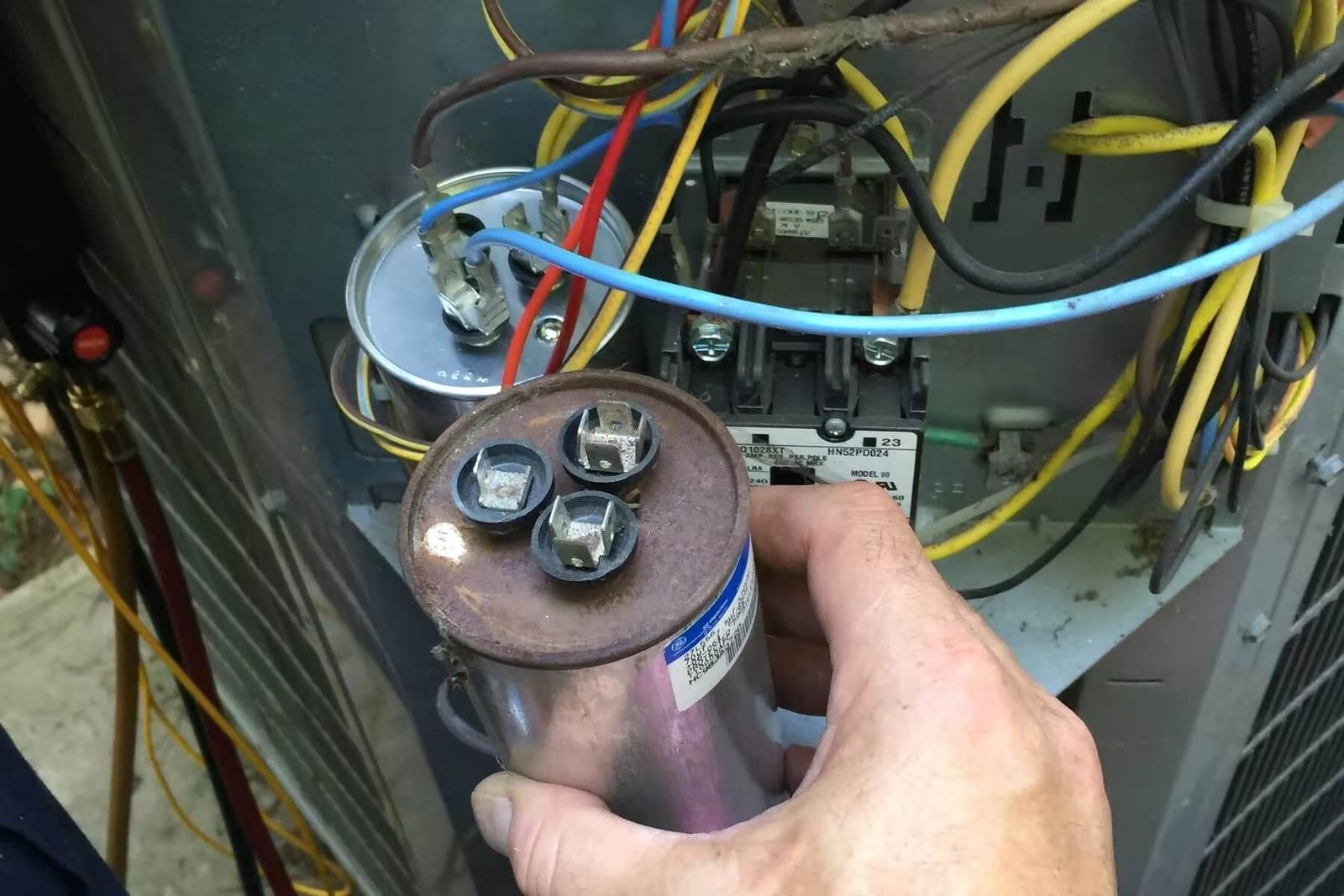
- Run capacitor and contactor. Heat kills capacitors. A weak one lets the fan run while the compressor hums and never starts.
- Compressor and fan motor amp draw. Tells us whether a motor is failing before it fails all the way.
- Refrigerant pressures. A low charge means a leak. We find the leak rather than topping it off and sending you the same bill next month.
- Temperature split across the coil. Return air versus supply air. It shows whether the coil is actually removing heat.
- Condensate drain and float switch. A clogged line shuts many systems off on purpose. Clearing it is often the whole repair.
- Thermostat, fuse and low-voltage wiring. Small, quick, and easy for a homeowner to miss.
Then You Decide
When the cause is known you get the part, the labor and the total. If the unit is fifteen years old and the failed part is a compressor, you also get the replacement number on the same visit, with our plain opinion about which way to go. What you do not get is pressure.
Repairs We Handle
- Run and start capacitors
- Contactors and relays
- Outdoor fan motors
- Indoor blower motors and ECM modules
- Compressors, hard-start kits and start relays
- Refrigerant leak location and repair
- Indoor evaporator coils
- Clogged drains, float switches and rusted pans
- Thermostats, boards and low-voltage wiring
- Disconnects, fuses and tripped breakers
- Frozen coils and airflow faults
- Duct leaks and loose attic connections
Why Systems in Wedgwood Fail in Summer
Most condensers in this neighborhood sit on the south or west wall of a brick house with no shade after noon. By 4 p.m. the unit is pulling in 105 degree air and trying to reject heat into it. The capacitor and the compressor carry that load, and they are the parts that give out. A coil that has not been washed in three summers makes it worse. That is why we point older systems toward a spring tune-up.
Questions About Repairs
- How long until someone arrives?
- We answer 24 hours a day and the shop is on Altamesa Blvd. You get an arrival window when you call, and the technician calls again when heading your way.
- Is it worth repairing an old unit?
- A capacitor on a fourteen year old system, yes. A compressor on that same system, usually not. You get both prices and a straight answer.
- What does the visit cost?
- There is a diagnostic fee, quoted on the phone. It covers finding the fault and giving you a written repair price.
- Will you have the part?
- Capacitors, contactors, common fan motors, thermostats, fuses and drain fittings ride on every truck. Compressors and coils are ordered by model and installed on a return visit.