Nobody calls us hoping to buy a new air conditioner. When the repair math stops working, we make the decision clear and the installation clean, and we do it without a salesperson in your living room.
Repair or Replace
Three numbers decide it: the age of the unit, the cost of the repair, and what the system costs to run. A compressor on a fourteen year old R-22 system is the end of the road, because you would be putting a major part into equipment at the end of its life that uses a refrigerant nobody wants to stock. A blower motor on an eight year old system is a repair.
If the technician is out for a repair and the unit is clearly near the end, he can talk through replacement on the same visit rather than sending someone else out to sell you one.
Sized to the House, Not the Old Unit
A lot of Wedgwood systems were oversized when they went in, and some were sized for a house before the attic was insulated or the windows were replaced. Too much tonnage means short run times, and short run times never wring the humidity out of the air, so the house sits at 74 and still feels sticky. We run a load calculation on the actual house: square footage, window area and orientation, attic insulation, duct layout.
What Is In the Job
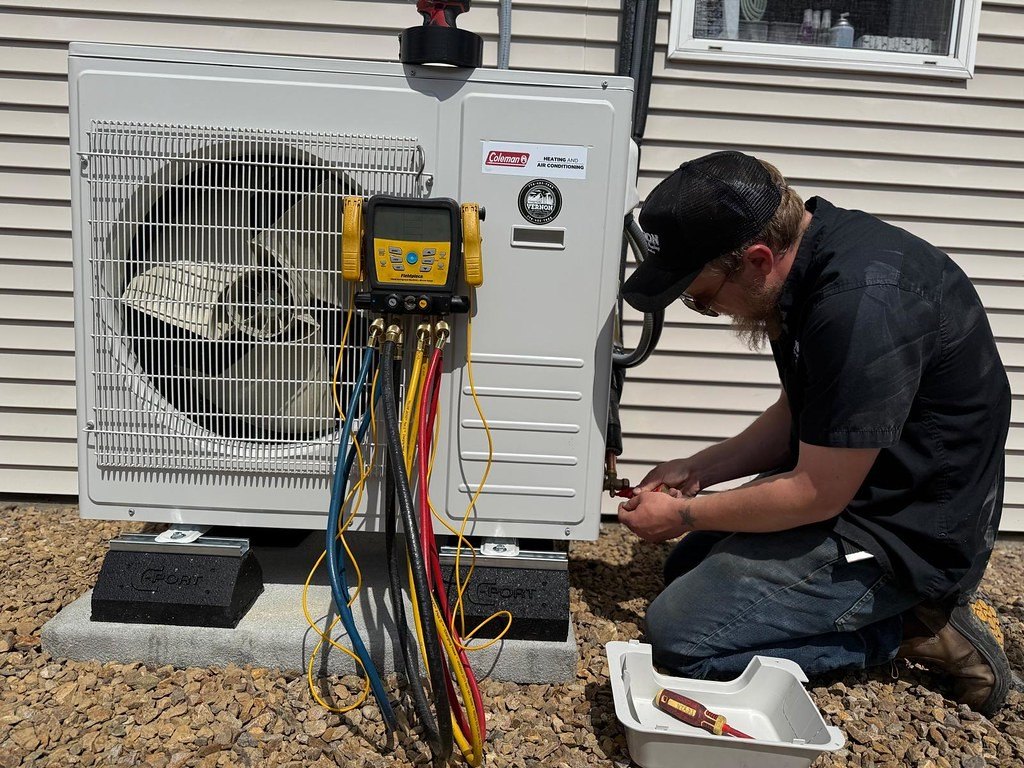
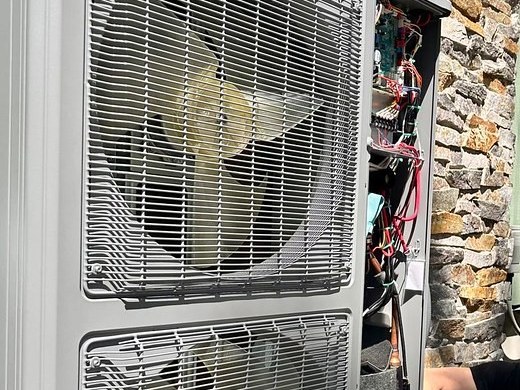
- Load calculation on the house, then equipment picked to match it
- Old condenser and coil hauled off
- New outdoor unit and matched indoor coil
- Line set flushed or replaced, new pad, disconnect and whip as needed
- Drain line, float switch and pan checked or replaced
- Pressure test, deep vacuum, factory charge verified by weight and subcooling
- Thermostat set up and the system run through a full cycle with you there
Matching the Indoor Coil
A new condenser bolted to a fifteen year old indoor coil is a shortcut we do not take. Mismatched coils run at the wrong pressures, lose efficiency, and shorten the life of the new compressor. The indoor coil is part of the job.
Questions About Replacement
- How long does the installation take?
- A straight changeout of a split system is usually a single day. Duct repairs or a new air handler location add time, and you hear that in the quote.
- Do I have to replace the furnace too?
- Not always. If the furnace is in good shape and the coil fits, it stays. If the furnace is as old as the condenser, we show you the number for doing both and let you decide.
- What is the $5,000 rule for AC repair?
- Multiply the age of the unit by the repair estimate. Over $5,000, replacement usually wins. A $600 repair on a 10 year old system is $6,000 by that math, and that is where the conversation starts. It is a rule of thumb, not a law. A unit on R-22 refrigerant or one that has already had a compressor pushes the answer toward replacing.
- How long does an AC last in Texas?
- Twelve to fifteen years is typical here, less than the national figure, because the equipment runs from April to October and the attic side of the system bakes. Units that got a coil wash every spring land at the top of that range. Units that never did, or that sit in full west sun with shrubs against the coil, land at the bottom.
- Should I replace a 15 year old AC unit?
- Not automatically. A fifteen year old system that still cools the house and needs a capacitor is a repair. The same system needing a compressor, a coil, or a refrigerant it is hard to buy anymore is a replacement. The technician tells you which one you have.
- How do I know when my AC needs replacing?
- Repairs every summer instead of every few years, electric bills that climbed while the weather did not, rooms that never catch up, and a unit past twelve years. Any two of those together and it is time to at least price it.
- What efficiency should I buy?
- For a house in this climate the middle of the range usually pays off. We show you the price difference between tiers and what it means on the electric bill over a Fort Worth summer.