Fort Worth winters are short and they arrive fast. The first hard freeze is when the furnace that sat idle since March gets asked to work, and it is when we get the calls. The same technicians who repair the air conditioner handle the heat.
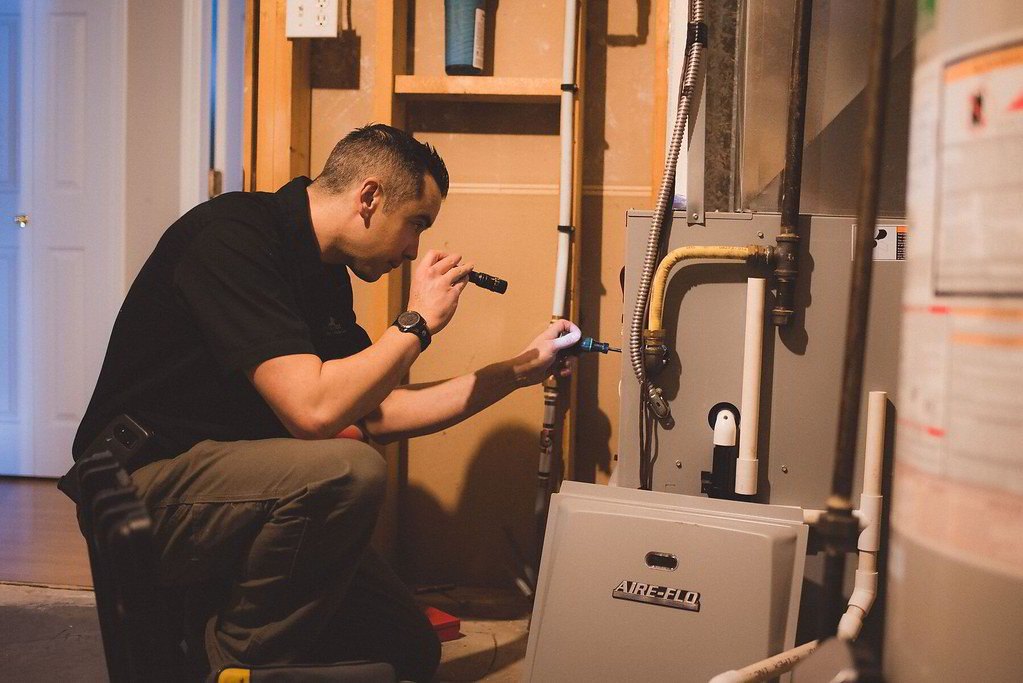
Gas Furnaces
Most Wedgwood houses heat with a gas furnace in the attic or a hall closet. The parts that fail are predictable and most of them are on the truck.
- Hot surface ignitors. They crack. The furnace clicks, the blower runs, no heat.
- Flame sensors. A coating of oxide and the furnace lights, runs a few seconds, and shuts down.
- Pressure switches and inducer motors. The furnace will not even try to light.
- Limit switches. The furnace overheats and cuts out, usually because of a clogged filter or a failed blower.
- Blower motors and control boards. Shared with the air conditioner, so a fault here shows up in both seasons.
- Gas valves and thermocouples on older standing-pilot furnaces.
Heat Pumps
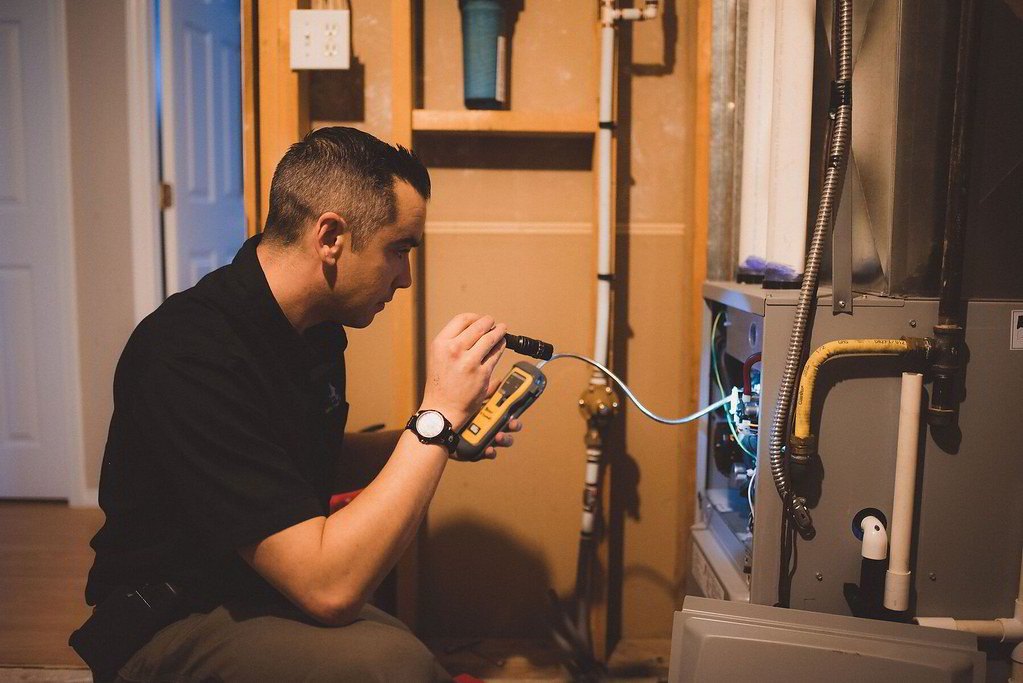
Heat pumps are common in the newer parts of southwest Fort Worth. When one struggles in a freeze it is usually the defrost control, a reversing valve that sticks, or the auxiliary heat strips failing to come on. The outdoor unit icing over solid is the tell.
Attic Furnaces
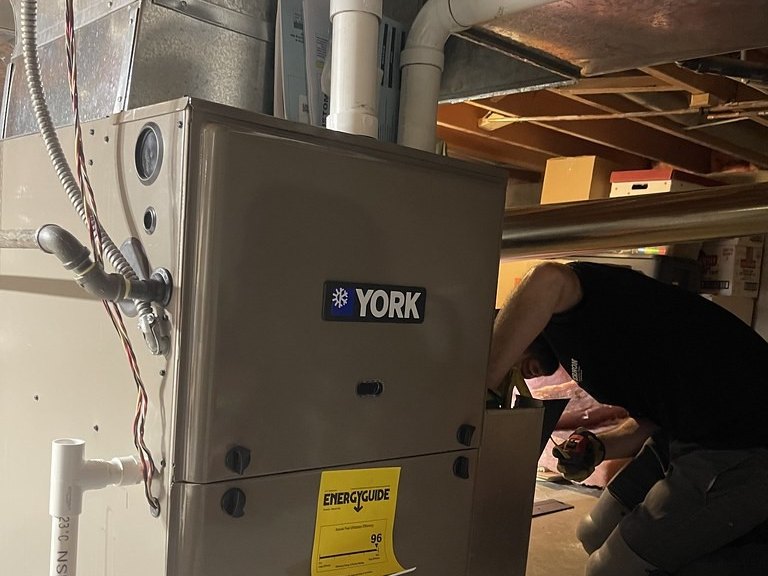
An attic furnace in a 1960 ranch is usually reached through a hall scuttle on a pull-down ladder. We bring the parts up rather than carrying the furnace down, and we check the condensate drain and the flue connection while we are there, since both are out of sight the rest of the year.
Carbon Monoxide
A cracked heat exchanger on a gas furnace can put carbon monoxide into the supply air. If your CO detector goes off, shut the furnace off, open windows, and call. The technician tests the exchanger and does not put a furnace back into service that fails that test.
Questions About Heating
- Do you work on furnaces at night?
- Yes. The 24 hour line is the same line for heating. Freezes in this area tend to hit overnight, and that is when the ignitor calls come in.
- Should I run the fan on or auto in winter?
- Auto for most houses. Running the fan continuously in winter blows unheated air between cycles and can make the house feel colder.
- How do I get my furnace to start?
- Check that the thermostat is on Heat and set above room temperature, the furnace switch on the side of the unit is on, the breaker is not tripped, and the filter is not clogged. Then listen. Clicking with no flame is an ignitor. Lighting and shutting off after a few seconds is a flame sensor. Nothing at all is usually the board or a safety switch. Past that point it is a service call.
- What are the signs a furnace is dying?
- Repairs two winters in a row, a burner flame that is yellow instead of blue, rust or soot around the cabinet, short cycling, a furnace past twenty years, and a carbon monoxide alarm that has gone off even once. That last one is not a sign, it is a stop.
- How long do furnaces last?
- Fifteen to twenty years for a gas furnace that gets a filter change. The heat exchanger is the part that ages it out. Once that cracks, the furnace is done regardless of how everything else looks.
- Why is my heat pump blowing cold air with the heat on?
- Three common reasons. It is in a defrost cycle, which is normal and lasts a few minutes. The reversing valve is stuck in cooling. Or the outdoor unit has lost its charge and the auxiliary heat strips are not picking up the slack. The first fixes itself. The other two do not.
- Can you look at the furnace during the spring AC tune-up?
- Yes. Ask when you book and the technician tests the ignitor, flame sensor and heat exchanger while the panel is open.